By the Alurralde Jasper + Associates Sports Team: Eliana Corazza, Project Leader, and Santiago Zerbi, Account Coordinator.
Modern soccer is meticulously orchestrated. Broadcasting rights, sponsorship deals, and the schedules of the game’s biggest stars are planned down to the last detail. Yet, amid this highly professional and predictable landscape, a parallel competition has quietly emerged—one that isn’t played on the pitch or organized by FIFA, but unfolds across screens, driven by algorithms, engagement, and viral moments.
This isn’t simply another conversation about social media. The real shift is that fans have discovered they can create their own heroes in real time, disrupting market dynamics that once took years to develop. While Messi continues to break records on the field, supporters are increasingly embracing players and national teams that were once outside the spotlight, drawn to authentic stories rather than established stardom. Audience attention can now shift overnight from the tournament’s biggest headlines to the most unexpected stories—and the market has little choice but to follow.
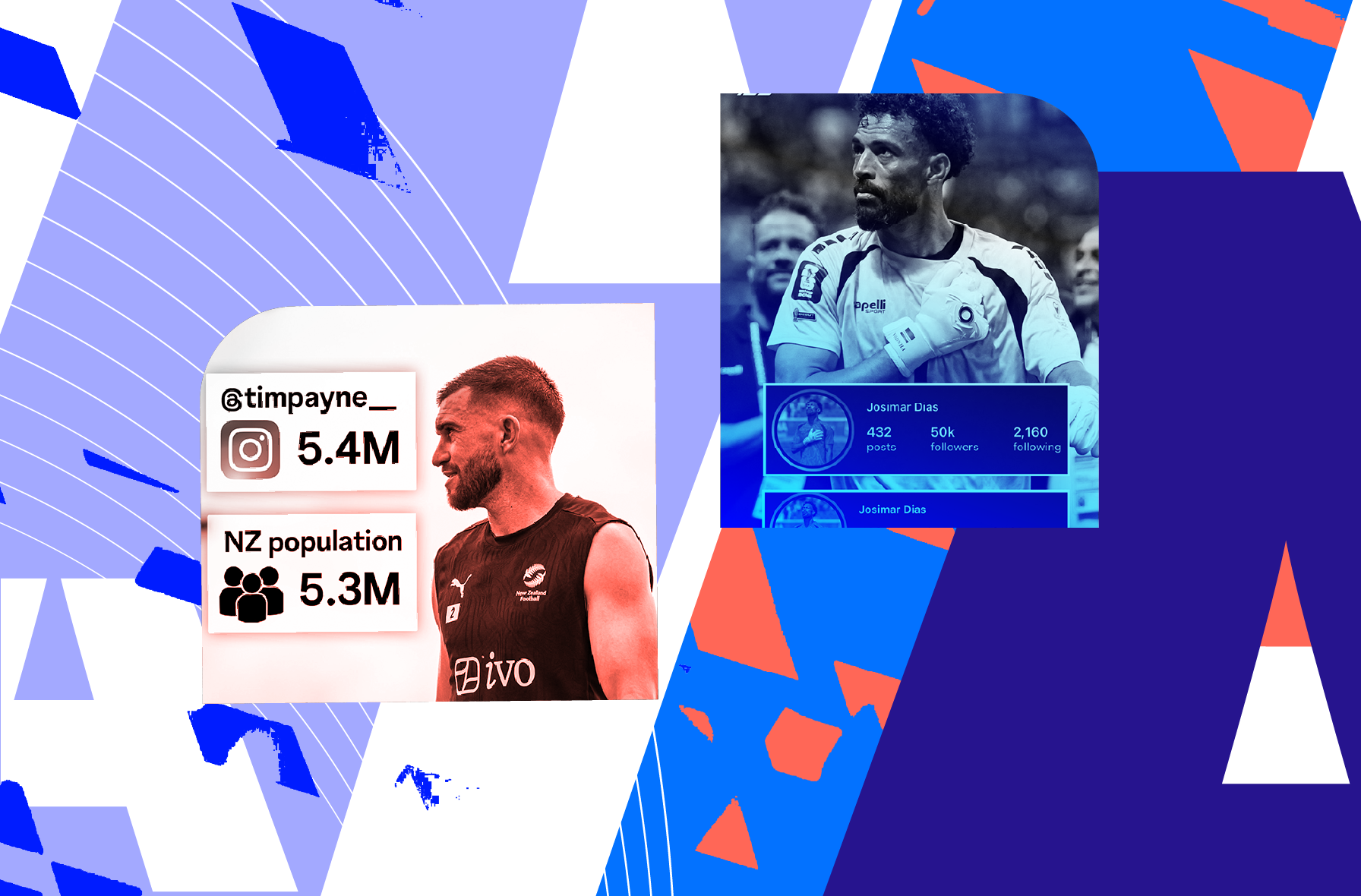
Recent examples illustrate the phenomenon. Consider the case of Tim Payne. An Argentine influencer launched a campaign to find the World Cup player with the fewest Instagram followers and landed on the New Zealand international. Within days, Payne’s audience grew from just 5,000 followers to nearly six million, eventually surpassing the influencer who sparked the campaign. What began as a viral trend quickly became a commercial opportunity. Although an Argentine club expressed interest in signing him, sponsorship interest ultimately paved the way for his move to South America, where he joined Olimpia in Paraguay. In this case, digital engagement became a stronger market signal than traditional scouting.
A similar story unfolded with Vozinha, Cape Verde’s veteran goalkeeper. At 40 years old, his standout performances during the group stage captured the imagination of fans worldwide. His Instagram following soared from fewer than 50,000 to more than 17 million—and continues to grow. The audience embraced his story, turning him into an overnight commercial phenomenon in a matter of hours.
This “other World Cup” does not replace the traditional competition—it exists alongside it. Goals and results still determine who lifts the trophy, but at the same time, millions of users are competing in a different tournament: the battle for attention. In this new arena, every click, every share, and every viral story has the potential to reshape football’s commercial landscape far faster than any carefully designed marketing strategy. Brands, clubs, and national teams can no longer rely solely on conventional communications playbooks. In a sport built on meticulous planning, the spontaneity of digital audiences has proven that the market will always find new ways to create value.
If fans can turn unknown players into global stars in just a few days, who truly holds the power to shape football’s commercial value today—the institutions or the algorithms?