Employee loyalty in Latin America has shifted from long-term commitment to an ongoing, day-to-day decision shaped by purpose, emotional well-being, and opportunities for continuous learning. The study “Generation Z: Engagement and Employee Turnover in Latin America,” conducted by the Pulso initiative, highlights a clear paradigm shift in regional management: young talent is no longer looking for just a job, but for an authentic and cohesive environment for growth.
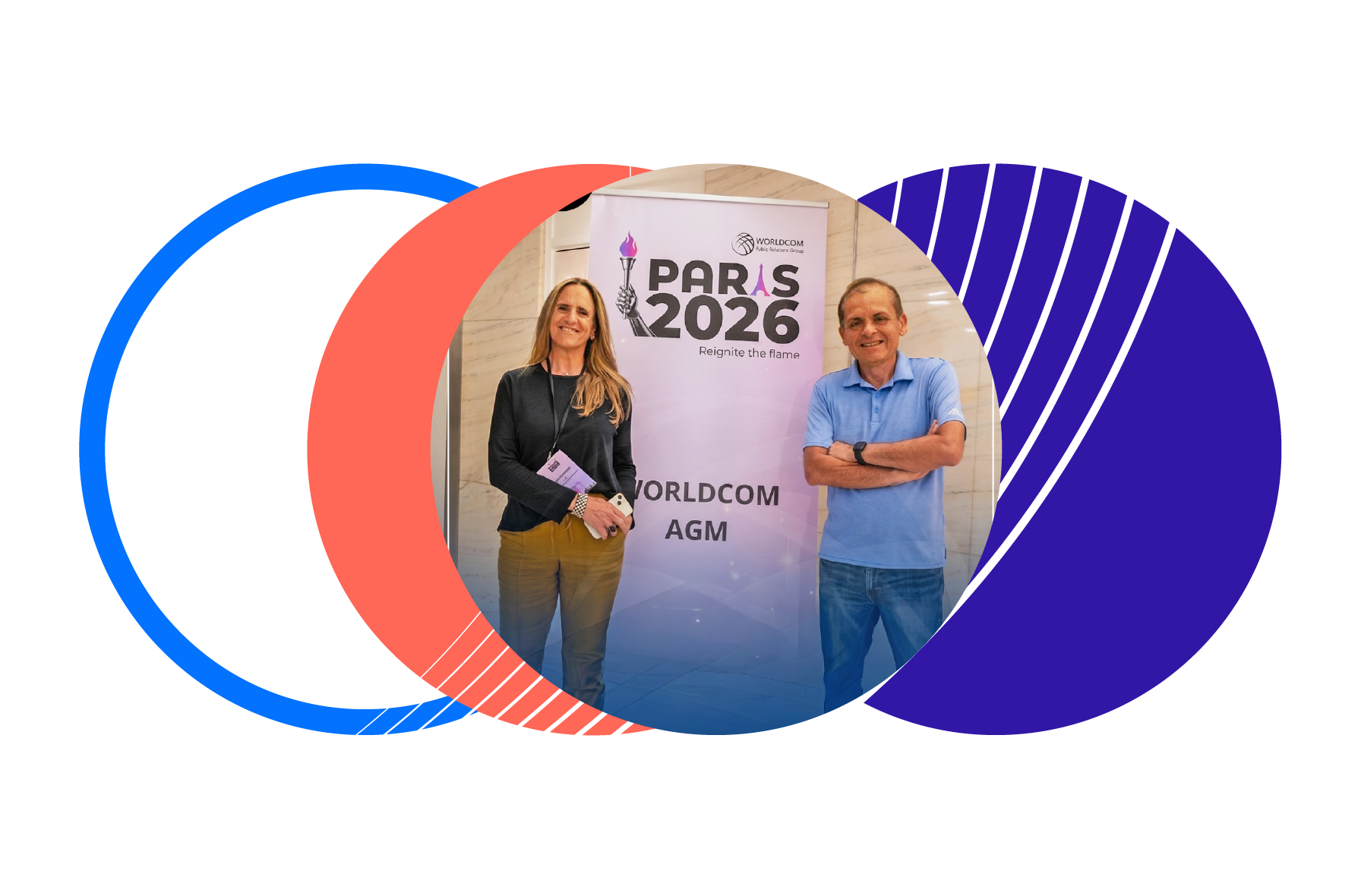
At Alurralde Jasper, we are part of this regional research initiative, conducted in collaboration with four consulting firms that are members of the Worldcom Public Relations Group: Realidades S.A.C. (Peru), MC Comunicaciones (Ecuador), Agencia Interamericana de Comunicación (Costa Rica), and Estrategia Digital PR (Honduras).
“We are proud to be part of Pulso, the regional initiative that brings together partner agencies of the Worldcom Public Relations Group, focused on providing consulting services in internal communications and organizational culture across Latin America,” says Mariana Martin, Associate Director and leader of Global Talk, our International Projects unit. “As consultants in the region, the findings of this study enable us to refine our strategies and services to more effectively communicate with, attract, and retain Generation Z talent.”
The analysis, based on 1,767 surveys and 50 in-depth interviews with professionals aged 22 to 30, shows that retaining this demographic depends less on traditional job stability and more on access to meaningful challenges and growth opportunities.
Among the report’s key findings is that limited development opportunities (30.3%) and more competitive financial offers (30.1%) are the primary drivers of turnover among young professionals. However, the study highlights important regional differences. While in Peru and Argentina professional stagnation is the leading reason for considering a job change, in Ecuador and Central America financial factors continue to play a decisive role.
Generation Z in Argentina: educated, engaged, and growth-driven
Generation Z in Argentina is redefining its relationship with work through a mindset centered on continuous learning, engagement, and purpose. According to the study, 70% of respondents hold a college degree, and 42% have between three and five years of work experience—reflecting early entry into the workforce and an active career trajectory from the outset.
The study also underscores that the private sector remains the primary space for developing young talent in the country. In Argentina, 84% of respondents currently work in private companies, reinforcing the sector’s role as a key driver of professional opportunities for this generation.
In terms of organizational culture, the results paint an encouraging picture. Some 78.9% of young respondents say they identify with their organization’s values, while 64.5% believe their company has a strong reputation as an employer. These figures suggest that companies are making meaningful progress in building stronger corporate cultures—where purpose, transparency, and alignment between words and actions play an increasingly important role.
Diversity, inclusion, and continuous learning also emerge as central pillars within organizations. Overall, 68.4% of respondents say their company actively promotes diversity and inclusion—factors that enhance workplace well-being and foster more collaborative environments. At the same time, internal communication stands out as a key component of the employee experience: 82.9% of respondents feel they can freely express their ideas, 73.7% believe effective communication channels are in place, and 61.8% say internal communication strengthens their sense of belonging.
The study also highlights how the Argentine labor market is shifting toward more flexible work models. Currently, 53% of young professionals work in hybrid arrangements, while 34% are fully in-person and 10% work remotely. This trend reflects the growing adoption of work models designed to balance productivity, well-being, and autonomy.
When it comes to retention, 38% of young professionals expect to remain in their current role for more than two years—particularly when organizations provide opportunities for growth and development. In this context, job changes are not necessarily driven by instability, but rather by strategic mobility aimed at professional advancement. In fact, 36% of respondents report changing jobs in search of new growth opportunities, while financial considerations account for just 21% of these decisions.
Leadership also emerges as a key factor in strengthening engagement among young talent. In Argentina, 75% of respondents say they have opportunities to contribute to decisions related to their work, and 59.2% report receiving regular, constructive feedback from their leaders. This more participatory and accessible leadership style reinforces the shift toward organizational cultures centered on learning, collaboration, and active listening.
Overall, the findings show that Generation Z in Argentina is seeking not only job stability, but also environments where they can grow, learn, and make a meaningful contribution. Organizations that succeed in creating these conditions will be better positioned to attract, engage, and retain young talent in an increasingly dynamic labor market.